Nepal
12-14 Days
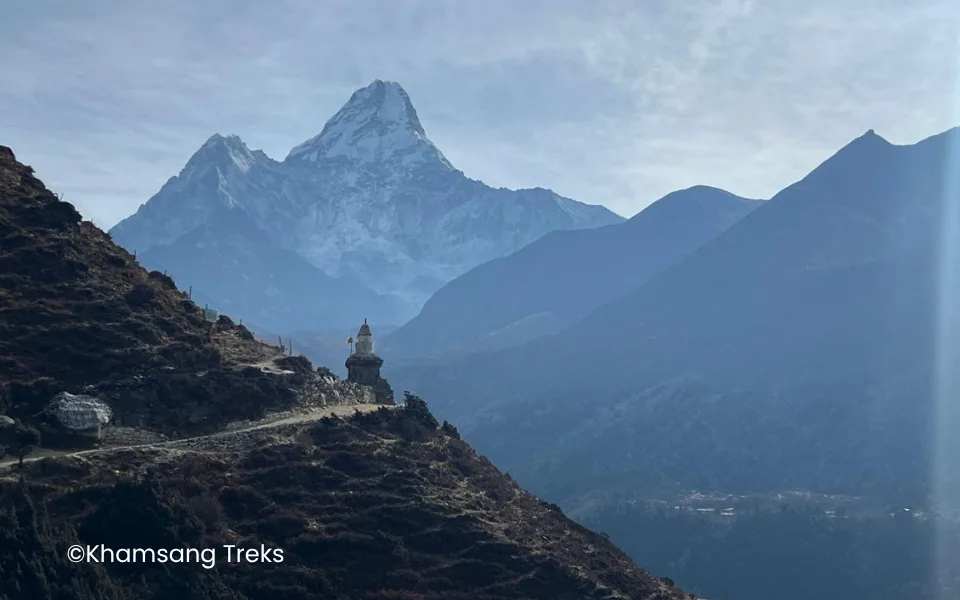
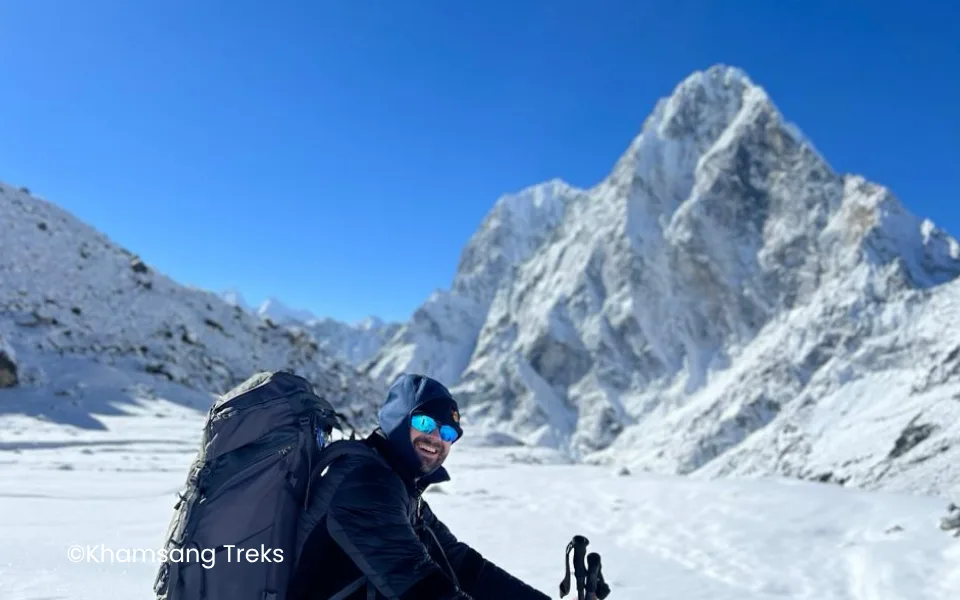
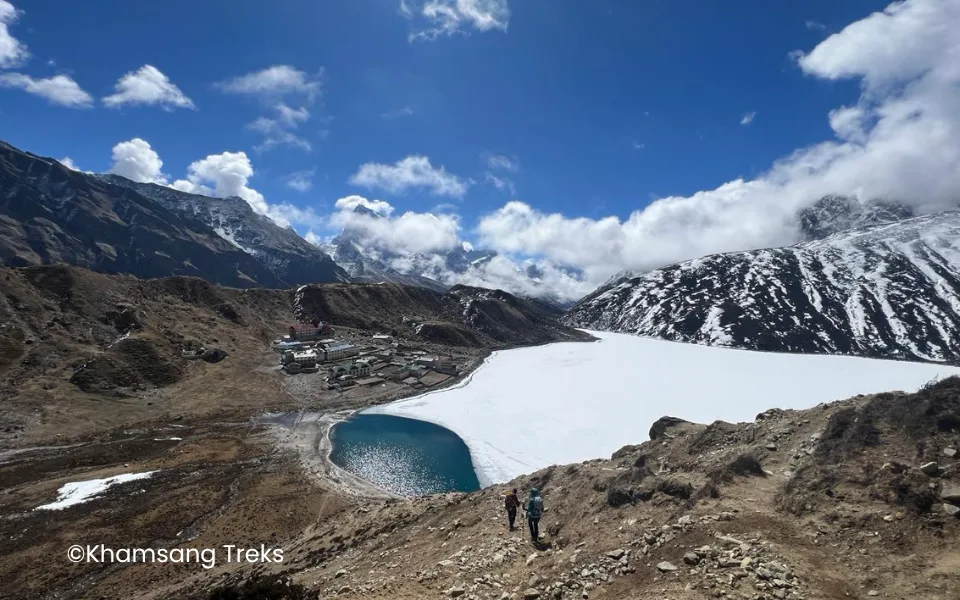
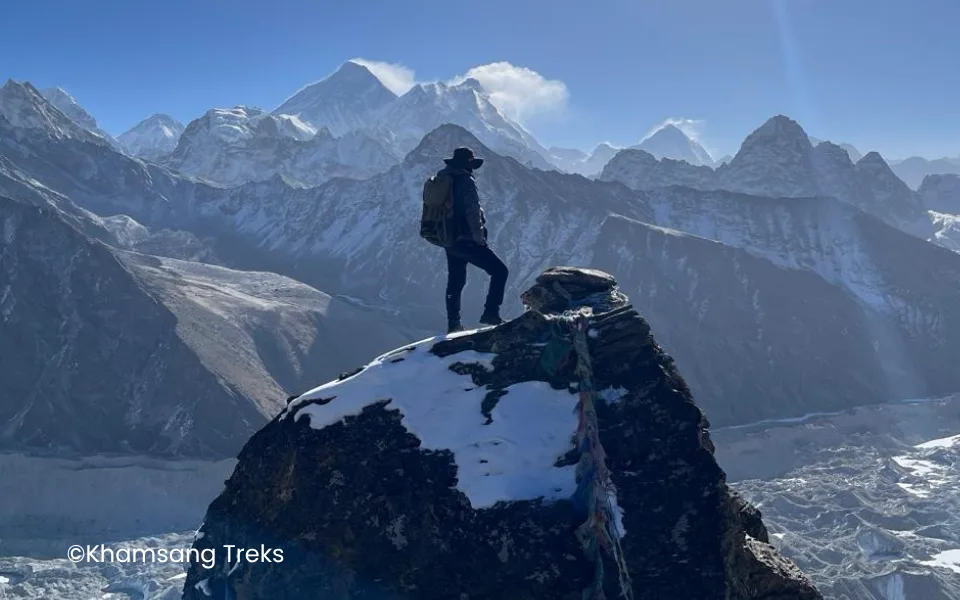
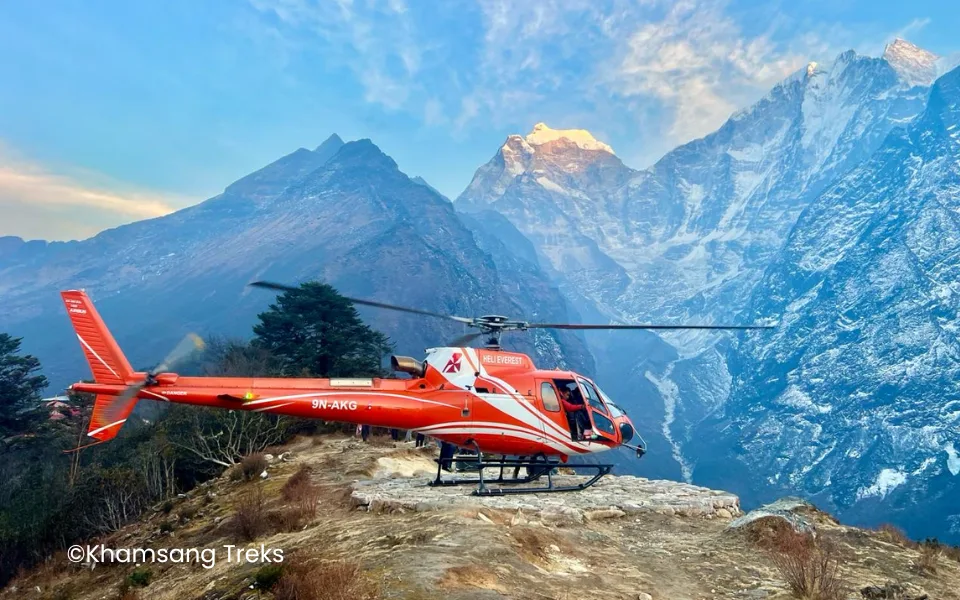
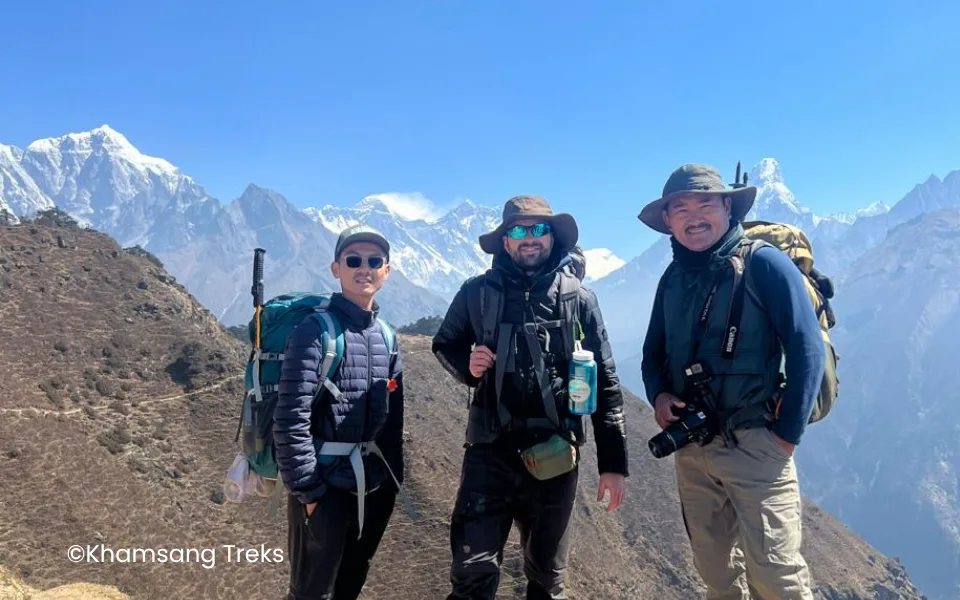
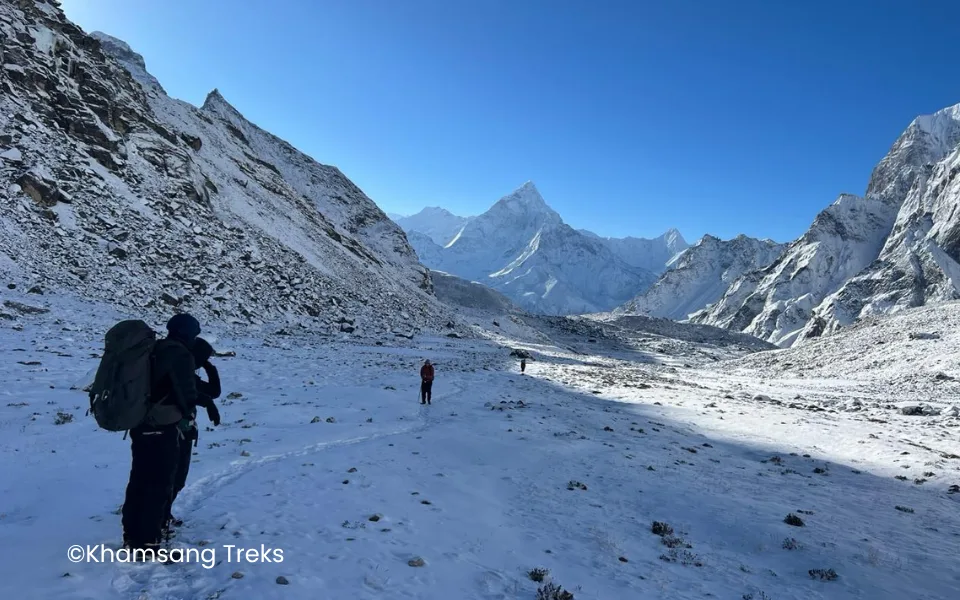
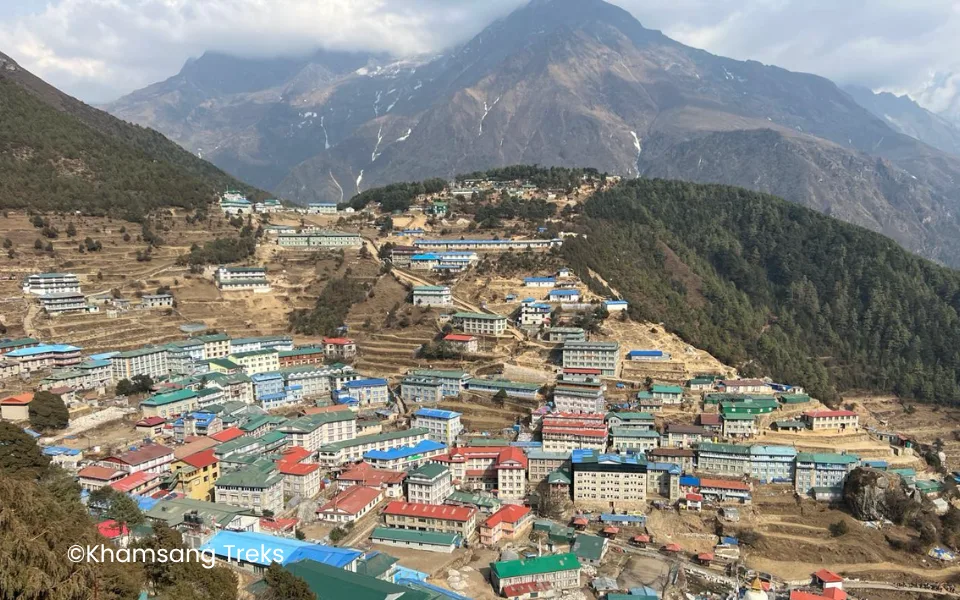
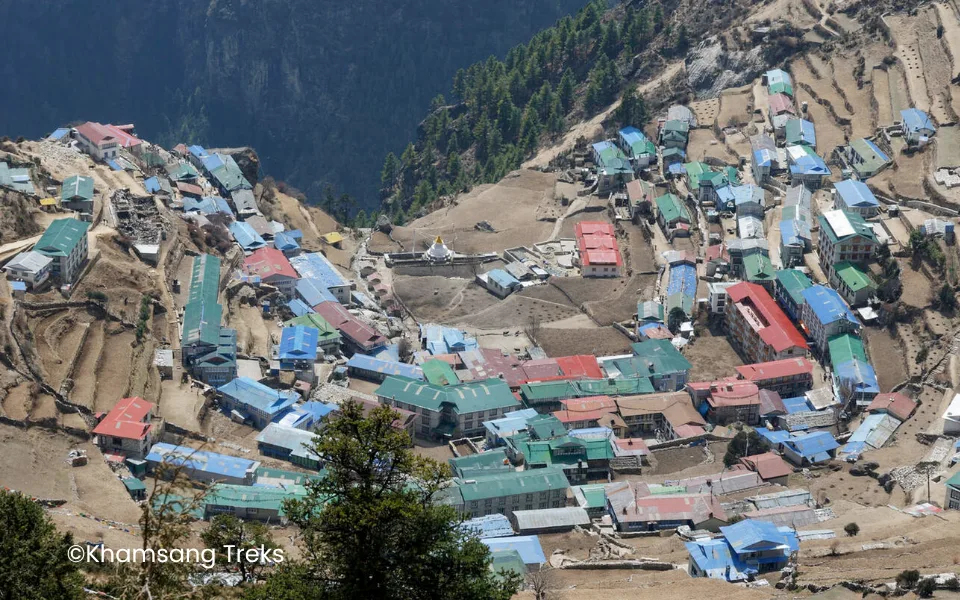
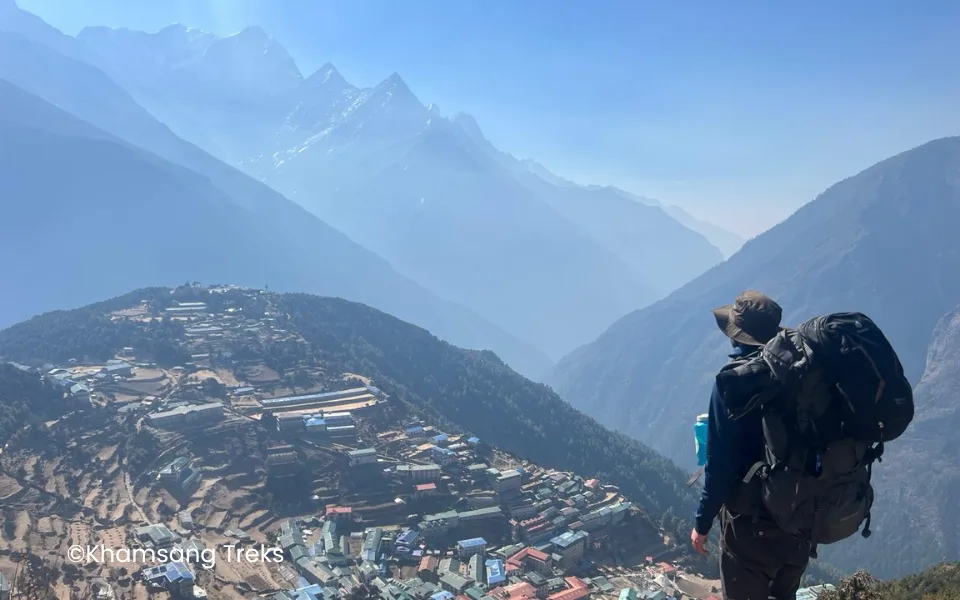
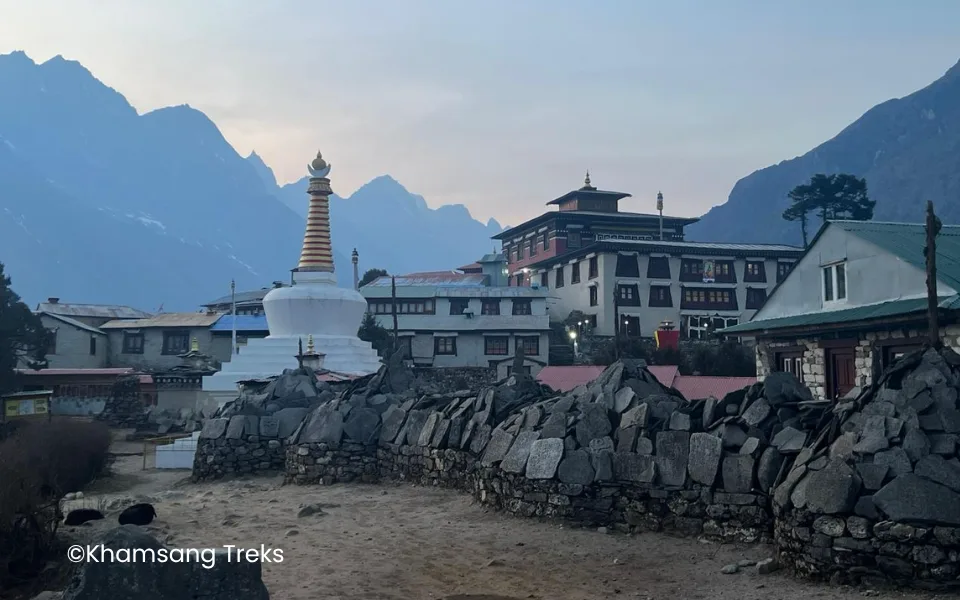
Are you all set for the Ultimate Adventure at Everest Base Camp? Ready to start the most thrilling journey and witness the majesty of Everest firsthand? Imagine yourself standing at the foot of the tallest peak in the world, surrounded by the stunning beauty of the Himalayas and breathing in the pure mountain air. Welcome to Everest Base Camp, where dreams come true and courageous individuals gather to marvel at Mount Everest’s grandeur.
Arrive at Tribhuvan International Airport in Kathmandu. Transfer to your hotel and rest.
Guided tour of Kathmandu's UNESCO World Heritage Sites. Obtain permits and necessary trekking gear. Final trek briefing and preparation.
Early morning flight to Lukla. Trek from Lukla to Phakding.
Continue trekking to Namche Bazaar.
Rest and acclimatize in Namche Bazaar. Optional hike to Everest View Hotel.
Trek from Namche Bazaar to Tengboche.
Continue trekking to Dingboche.
Rest and acclimatize in Dingboche. Optional hike to Nagarjun Hill.
Trek from Dingboche to Lobuche.
Trek to Gorak Shep. Hike to Everest Base Camp and return to Gorak Shep.
Early morning hike to Kala Patthar. Trek down to Pheriche.
Trek back to Namche Bazaar.
Trek back to Lukla.
Fly back to Kathmandu.
Depart from Kathmandu for your onward journey.
Everest Base Camp sits at about 5,364 meters (17,598 feet) above sea level.
Typically, the journey to Everest Base Camp lasts around 12-14 days for a complete round trip from Lukla. This allows for proper acclimatization and enjoyment of the expedition.
The prime seasons for this thrilling trek are generally spring (March to May) and autumn (September to November). During these times, you can expect stable weather, clear skies, and mild temperatures.
While having some prior experience in trekking can be helpful, it's not mandatory for conquering Everest Base Camp. However, being reasonably fit and well-prepared is advisable due to the high altitude and challenging terrain.
To prevent altitude sickness, proper acclimatization is vital. Trekkers are encouraged to ascend gradually, keep hydrated, and listen to their bodies. Some might also opt for Diamox (acetazolamide), a medication commonly used in preventing and treating altitude sickness.
Accommodation options throughout the route range from simple tea houses to more comfortable lodges. Rooms typically offer twin beds with shared bathroom facilities. Bringing along a sleeping bag is recommended for added comfort and warmth.
Trekking to Everest Base Camp is generally considered safe when done with adequate preparation under guidance from experienced professionals while adhering strictly to safety protocols. Nevertheless, factors like weather conditions and risks related to high altitudes should always be taken seriously.
Key items that you shouldn't forget include sturdy hiking boots, warm clothing layers including a down jacket & waterproof outerwear; sunscreen; sunglasses; a hat; first aid kit; trekking poles; as well as a reusable water bottle.
Mobile phone coverage is accessible in some parts of the Everest region particularly around Namche Bazaar & higher settlements Wi-Fi services are also offered at most tea houses although their reliability may vary.
It is highly recommended that you secure travel insurance covering emergency evacuation when embarking on an adventure like conquering Everest Base Camp due its remote & challenging terrains in Himalayas.